
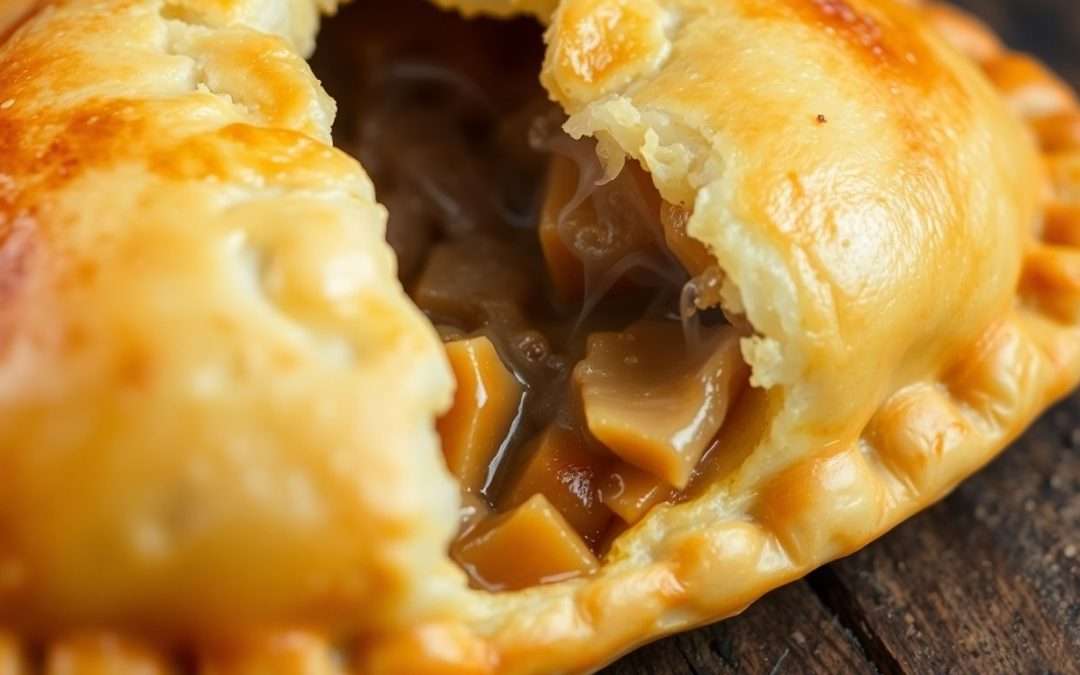
An American visitor’s inaugural taste of a Cornish pasty has ignited a flurry of reactions, with opinions ranging from delighted praise to constructive criticism. The quest for the perfect, authentic pasty has led to discussions about ingredients, preparation, and regional pride, highlighting the iconic status of this traditional British delicacy.
Key Takeaways
- An American tourist sampled a Cornish pasty for the first time, sharing his experience online.
- Reactions from locals and viewers varied, with some praising the pasty and others offering suggestions for improvement or alternative locations.
- The discussion touched upon the definition of an authentic Cornish pasty, including its specific ingredients and PGI status.
A Taste of Cornwall
Kalani, an American visitor, traveled to Cornwall specifically to try an authentic Cornish pasty. Documenting his experience on TikTok, he visited Philp’s Famous Pasties in Hayle. He described the pasty as "nice and warm" and larger than expected, noting that each bite offered a different flavor profile, from potato to steak. He ultimately rated it 8.8 out of 10, praising its freshness and the blend of ingredients, comparing it to a "good meat pie but kind of like in a pasty form."
Mixed Reactions and Authenticity Debates
While Kalani’s experience was largely positive, the comments section revealed a spectrum of opinions. Some viewers agreed that Philp’s is a top choice, while others suggested alternative bakeries for the "best" pasty. A recurring point of discussion was the definition of an authentic Cornish pasty. According to the Cornish Pasty Association, a true pasty must contain beef, swede (turnip), potato, and onion, with a specific crimping style and ‘D’ shape, holding Protected Geographical Indication (PGI) status.
One reviewer, a Londoner visiting Plymouth, had a different experience at a chain called "Cornish Bakery." While enjoying the pastry and the beef and potato filling, they noted the absence of swede, which is a key ingredient according to the PGI guidelines. They also found the filling slightly dry and bland, expressing a desire for a juicier and more seasoned product. This reviewer concluded that their search for the perfect pasty continues.
The Pasty’s Pedigree
The Cornish pasty’s protected status means that only pasties made in Cornwall to a specific recipe can be called "Cornish." This has led to a strong sense of regional pride and a desire to uphold tradition. While some comments playfully debated the pasty’s origins, suggesting it was created in Devon, the general consensus among Cornish locals is a fierce protection of their culinary heritage.
A Culinary Quest Continues
Both experiences highlight the subjective nature of taste and the high standards locals hold for their beloved pasty. While Kalani found a highly-rated option, the Londoner’s experience underscores the challenges of finding an "authentic" pasty outside of Cornwall or even within the region, depending on individual preferences and adherence to strict PGI guidelines. The journey for the ultimate Cornish pasty, it seems, is ongoing for many.
### Sources
- I ate a Cornish pasty for the first time in the South West, Cornwall Live.
- American tries Cornish pasty for the first time and gives honest verdict, The Mirror.
- American travels to seaside for Cornish pasty and is confused by one thing, Devon Live.
- I ate a Cornish pasty for the first time – and the experience left me feeling conflicted, Somerset Live.
- American tries Cornish pasty for the first time and is gobsmacked by one thing, Cornwall Live.