English Raisin Scones
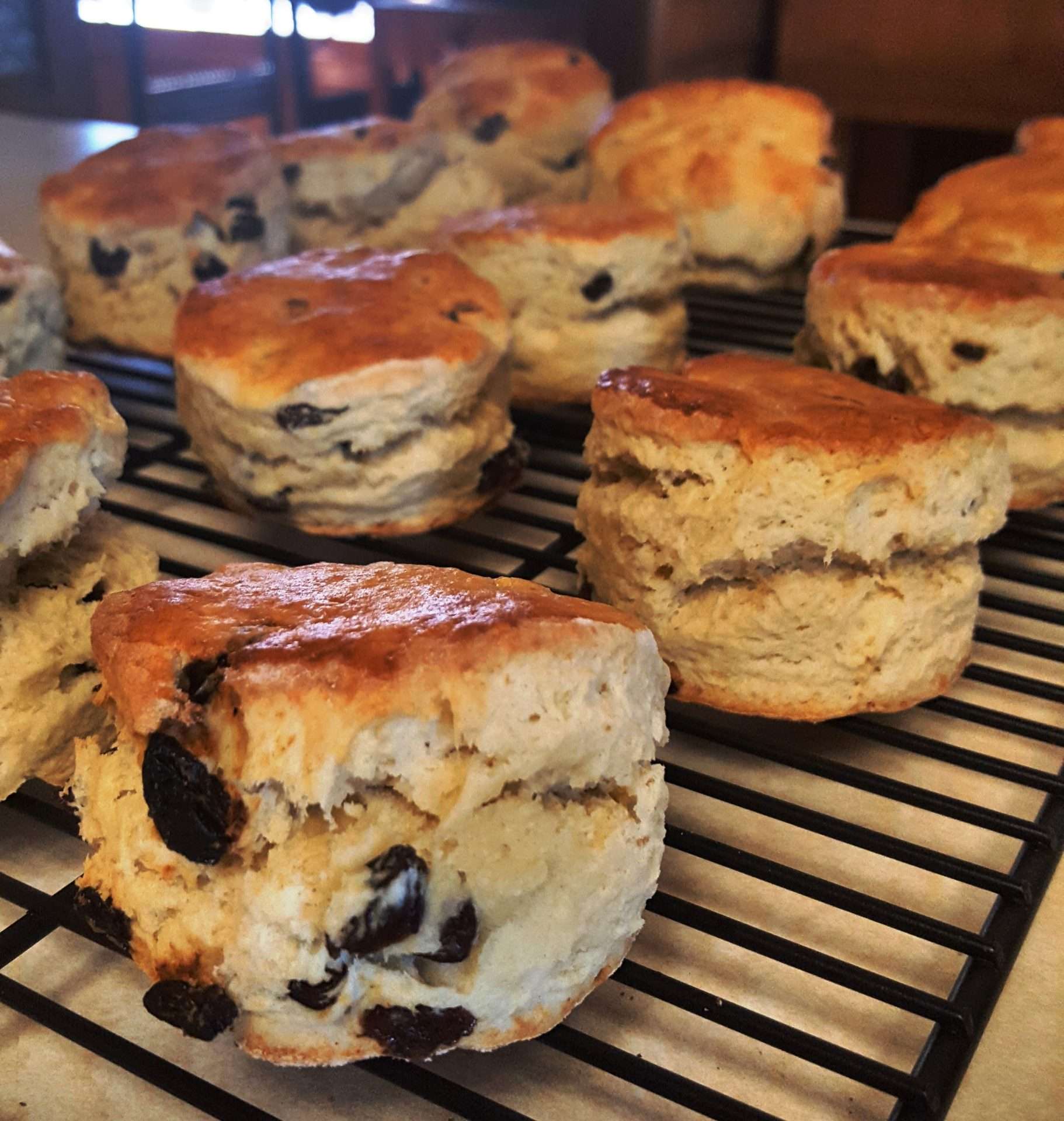
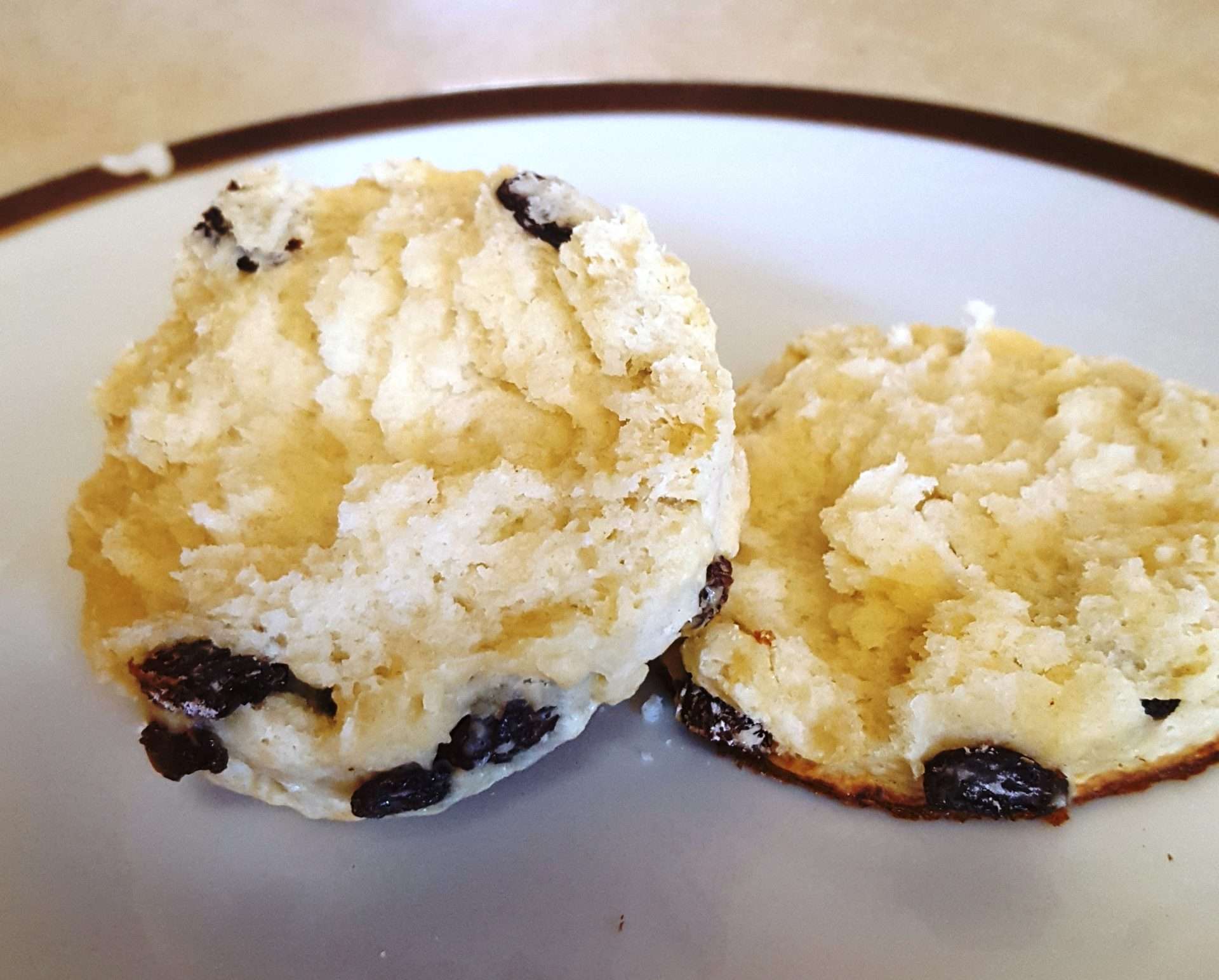
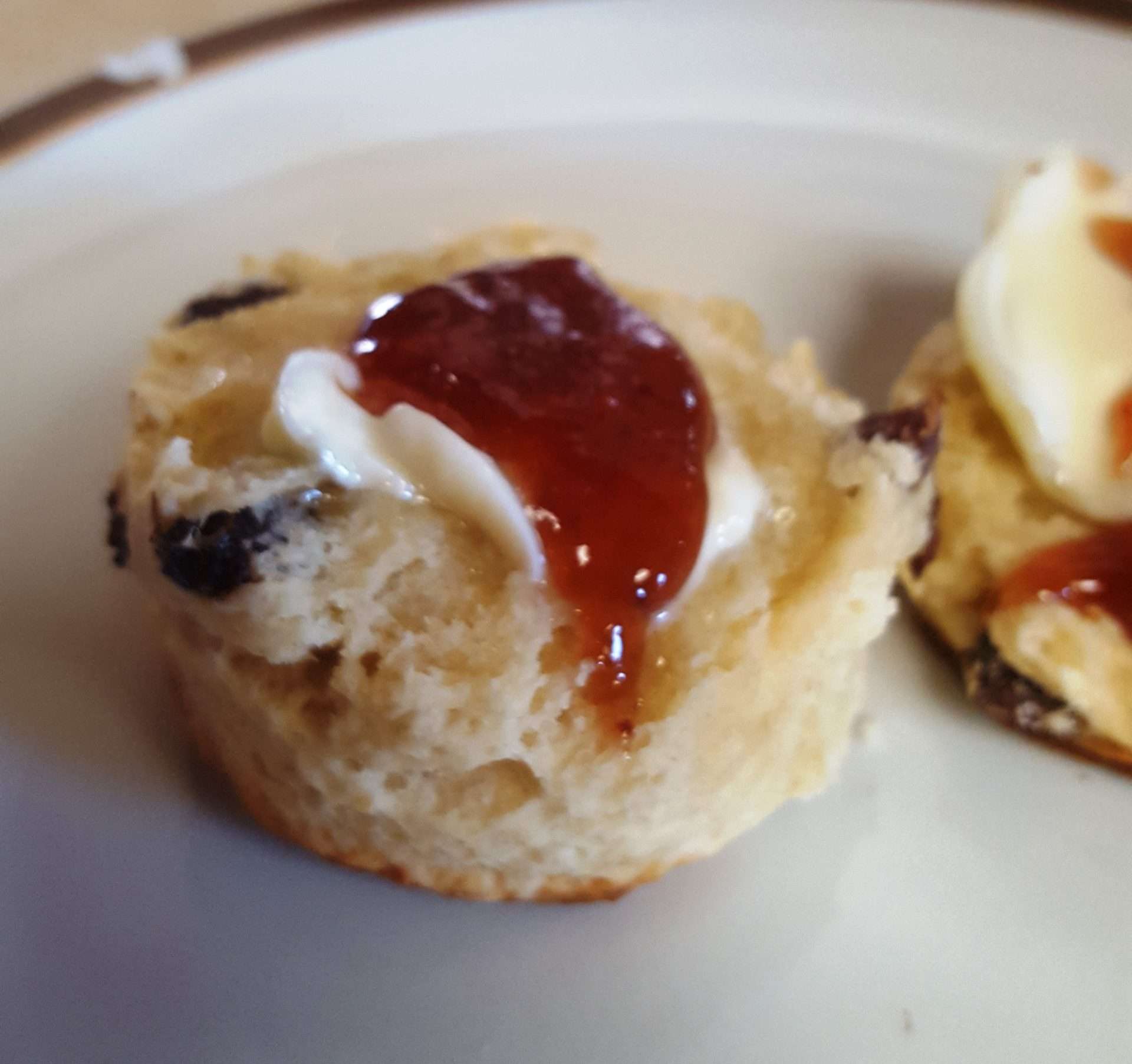
Nothing says English tea time quite like a warm, buttery scone. Traditional raisin scones are light, tender, and gently sweet, with bursts of flavor from plump raisins. Perfect with butter, jam, or clotted cream, they’re a simple yet timeless treat that brings a taste of England to your table.
Yet so many people have problems making these delights, they are either as hard as hockey pucks or they don't rise!.
The difference between great scones and average scones is in the details.
But fear not I'm going to reveal all the secrets to making absolutley the best English raisin scones in the world. Follow the steps and details and you cannot fail.
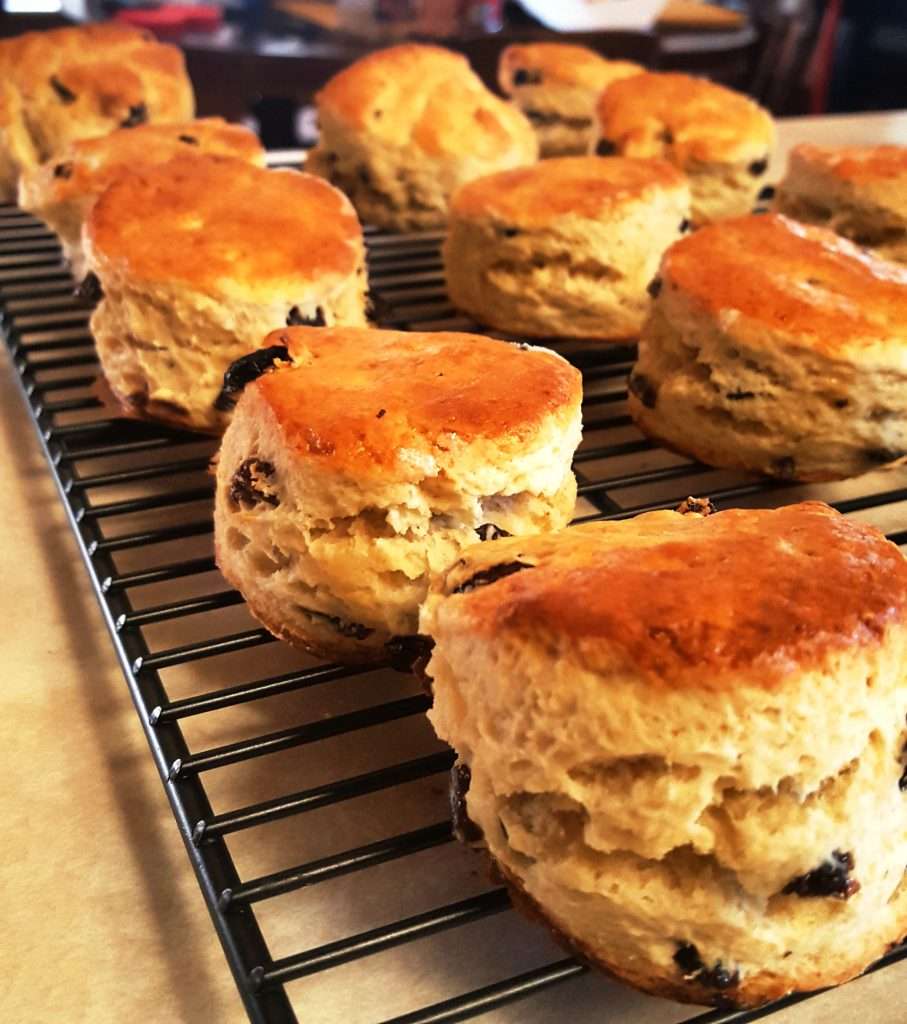
This recipe will make approx. 12-14 amazing English raisin scones if you use a 2 1/2 inch (6.5 cm) diameter cutter, if you end up with more scones it means you rolled the dough out too thin.
Ingredients
Dry Ingredients
| All purpose flour | 500 g |
| Butter (cold) | 125 g (or 1 stick) |
| Baking powder (fresh!) | 5 tsp |
| Salt | 1/4 tsp |
| White sugar | 50 g |
| Raisins | 100 g |
Wet Ingredients
| Whole milk (cold) | 220 ml |
| 1 Large fresh egg | |
| Vanilla extract | 1/2 tsp |
Notes
- You can use self rising flour if you wish (in which case you don't need the baking powder), just make sure it's fresh and not something you found in the back of the cuboard from years ago!. It's not always available so you can make your own using 1 tsp of fresh baking powder per 100 g of plain flour.
- The raisins are obviously optional as believe it or not some people don't like them!, and of course you can use sultanas instead, if you are fancy.
- A secret ingredient is the vanilla extract, use 1 tsp if you want, adds a little extra to the flavor.
- If your raisins are very dry and wrinkled you can plump then up by soaking in some cold water for about 15-30 minutes, dry off before using.

Method
- Sieve the flour into a big bowl, add salt, sugar, baking powder, and mix well.
- Cut cold butter into small cubes, add to flour, use fingers or fork etc and work to make fine bread crumbs.
- Make sure the raisins are all loose as they tend to stick together, add to flour mixture, and gently mix well.
- Add egg and vanilla extract to milk, whisk well.
- Save about 3-4 tbsp. of the egg/milk mixture to coat tops, you don't need very much.
- Add milk mixture to flour mixture and gently mix with wooden spoon into dough. You may need to add an extra tbsp. of milk at a time to get the dough to come together.
- Use hands to bring dough together, tip out onto lightly floured table top.
- Gently knead the dough ONLY a few times, don't over work the dough or get it too wet.
- Wrap the dough in film and put in fridge for 30 mins to rest and chill down.
- Work quickly and roll out the dough to about 1 inch thick and cut into 2 1/2 inch (6.5 cm) rounds using a cutter. It helps to keep the cutter dusted with flour as this stops the dough sticking to the cutter.
- When cutting the scones out Do NOT twist the cutter, only push down, this helps the scones to rise because you are not sealing the edge.
- If you are making round scones you will need to gather up the scraps and gently reroll to make more scones, do not over work the dough.
- Place scones on steel baking sheet with baking mat or parchment paper.
- Using the milk mixture that you saved (I hope!), egg wash the TOPS of the scone only, do not egg wash the sides, this also helps them to rise.
- If you want the scones to rise the oven must be HOT, oven must be preheated. Preheat to 420 F.
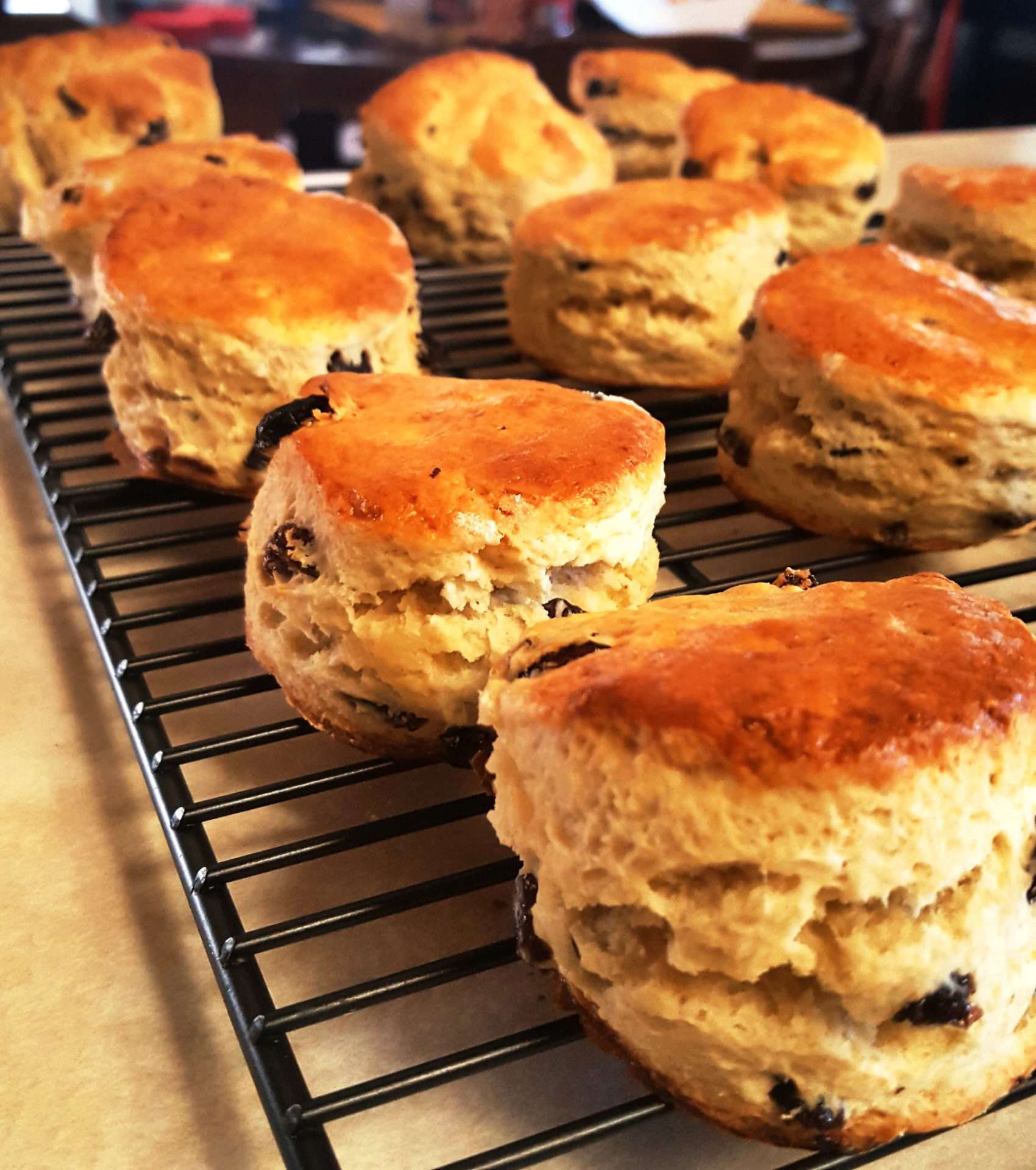
- Bake at 420 F for approx. 15-17 minutes or until golden brown on top, watch carefully because at this temp they can easily over cook and burn.
Do NOT open the oven for at least the 1st 10 minutes.
You can rotate the tray after 10 minutes if you need to, so they bake evenly, but do it quickly.
There's an old wifes tale that you should have all the scones touching on the tray as it will help them rise, not so, just the opposite. You want the scones separate so the hot air circulates evenly around each scone
If your scones don't rise up perfectly straight then it is probably because you did not roll out the dough evenly and the top was not level.
If you have followed these steps you should have 12-14 beautiful and delicous scones, it's a usually best to let them cool down a little before eating.
Summary of Important Tips
- Use fresh baking powder or self rising flour
- Do not over work the dough, keep it light
- Work quickly after removing dough from fridge and baking
- Avoid letting the dough from warming up too much when cutting the rounds
- Do not twist when cutting out the scones
- Only egg wash the tops, not the sides
- The oven must be hot and preheated
- Do not have the scones touching each other
- Do not open oven for at least 1st 10 minutes
The chances are that you will also love a variation on these, traditional blueberry scones, I think I like them even more than the English raisin scones, even though they are more of an American thing!