
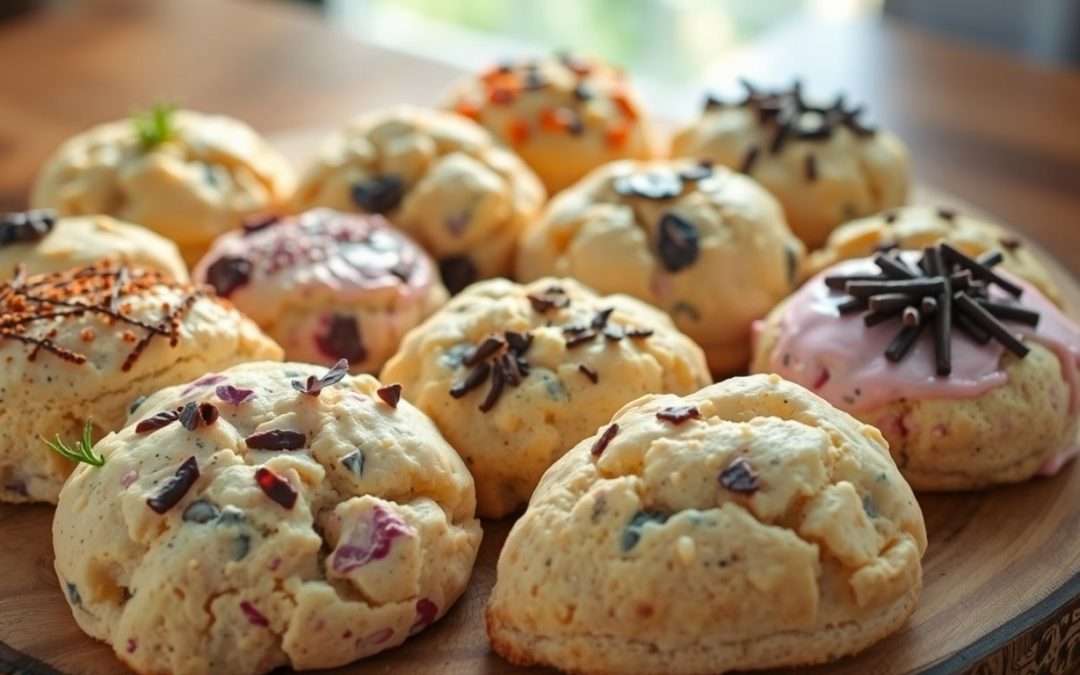
Scones, a beloved baked good, are undergoing a remarkable transformation, moving beyond their traditional sweet profiles. Chefs and home bakers alike are experimenting with unique and unexpected flavor combinations, pushing the boundaries of what a scone can be. From savory infusions to dessert-inspired twists, these creations are redefining this classic treat.
A New Era for Scones
The humble scone is experiencing a renaissance, with culinary innovators exploring a wide spectrum of flavors. This evolution is driven by a desire to challenge traditional notions and create novel taste experiences. The versatility of the scone base allows for endless creativity, leading to some truly surprising and delightful results.
Unexpected Flavor Pairings
- Coffee Cake Scones: A popular trend involves infusing scones with the comforting flavors of coffee cake. These creations often feature a cinnamon-sugar swirl and a streusel topping, offering a delightful blend of textures and tastes.
- Savory Infusions: Moving away from sweetness, some bakers are incorporating savory ingredients. Bruschetta-inspired scones, for example, are being made with ingredients like spinach, feta cheese, sun-dried tomatoes, and basil, utilizing olive oil and buttermilk for a lighter, healthier profile.
- Holiday-Themed Creations: Seasonal flavors are also making their way into scones. One notable example is a "Christmas dinner-flavored" scone, infused with stuffing and served with traditional accompaniments like turkey and gravy, sparking debate among traditionalists.
- Insect-Based Innovations: In a more experimental culinary frontier, some educational settings are exploring insects as a food source. Courses have featured scones incorporating ingredients like black ants, showcasing the potential of entomophagy in unexpected baked goods.
Redefining Scone Texture and Tradition
Beyond flavor, bakers are also rethinking the very texture and composition of scones. Discussions around the ideal scone involve a balance between a tender interior and a slightly crisp exterior, moving away from overly crumbly or dry results. The use of ingredients like sour cream, rather than traditional heavy cream or buttermilk, is contributing to this desired tender texture. Furthermore, the debate over the correct way to assemble and eat a scone, particularly in the context of cream tea, highlights the enduring passion and tradition surrounding this baked good.
The Future of Scones
The culinary world is embracing the scone’s adaptability. Whether it’s a sophisticated coffee cake twist, a hearty savory option, or even an avant-garde insect-infused creation, the scone is proving to be a canvas for culinary innovation. These unique creations are not only expanding the scone’s appeal but also sparking conversations about tradition, flavor, and the future of baking.
Key Takeaways
- The Bake Club Team Talks Coffee Cake Scones, Bon Appétit.
- Coffee Cake Scones Recipe | Epicurious, Epicurious.
- Bruschetta Scones recipes uses olive oil, buttermilk instead of butter, Detroit Free Press.
- The Christmas dinner-flavoured scone: is this the biggest scone scandal of all time? | Cake, The Guardian.
- University of Delaware course explores insects as food, from cricket granola to ant scones, PhillyVoice.