
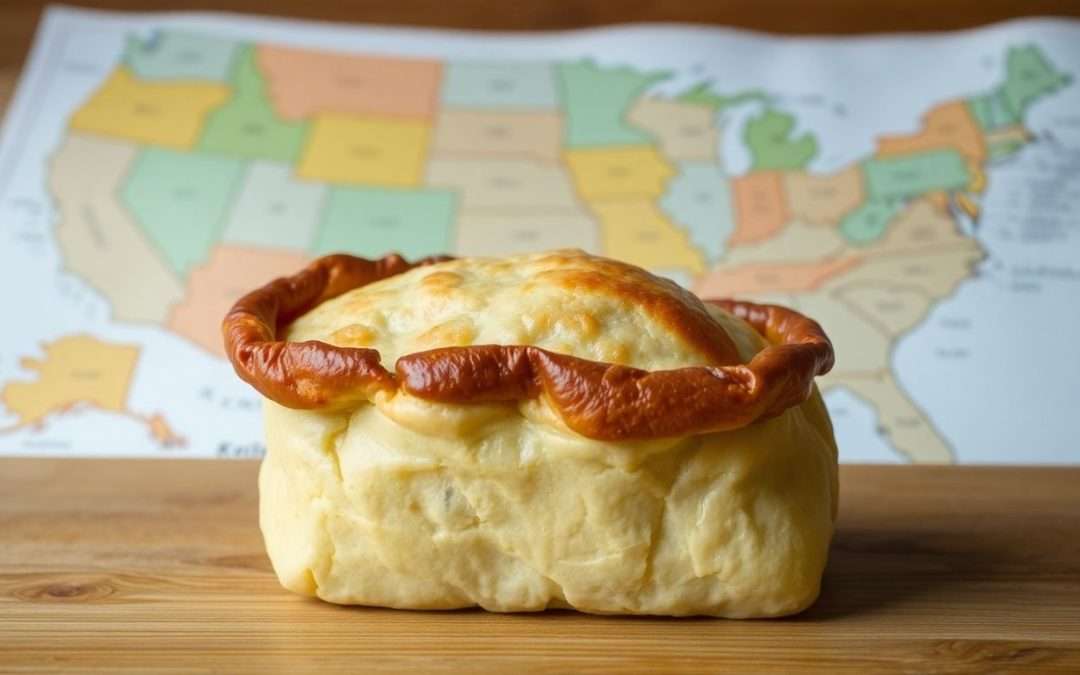
The Cornish Pasty Co., a restaurant chain known for its traditional British pasties, has experienced a dynamic period of growth and closure across various US locations. While the company has aimed to expand its reach and foster community, recent developments indicate a fluctuating presence in key markets, including Arizona and Nevada.
Key Takeaways
- Cornish Pasty Co. is expanding into Tucson, Arizona, with a new location planned for a historic downtown building.
- The company has a history of hosting live music events, including hardcore punk and jazz jams, at its Flagstaff location.
- Despite expansion efforts, the company has also seen closures of some of its US locations.
Expansion into Tucson
Cornish Pasty Co. is set to open its first Tucson location in a historic building at 72 E. Congress St. This space, vacant for over two decades, was built in 1897 and has a rich history. Owner Dean Thomas, who hails from Cornwall, England, saw the opportunity to bring his popular pasty concept to the Old Pueblo. The menu boasts over 40 varieties of pasties, including numerous vegan and vegetarian options, alongside other offerings like salads, soups, Scotch Eggs, and Cornish Meatballs. The new location is also expected to feature a bar and pool tables.
A Hub for Live Music
The Cornish Pasty Co. in Flagstaff has established itself as more than just a dining establishment; it has become a venue for live music. The restaurant has hosted a variety of events, from hardcore punk shows featuring local bands like HERNIA, DIRTYLOCS, and GUNK, to regular Jazz Jam sessions on Wednesday nights. These musical gatherings aim to foster community and provide a platform for local artists, drawing in students and residents alike.
Navigating Market Fluctuations
While the Tucson expansion signals continued growth, the Cornish Pasty Co. has also experienced closures in other areas. The company’s presence in the US has been marked by both ambitious openings and strategic contractions. Information regarding specific closures in markets like Phoenix and Nevada suggests a period of adjustment for the brand as it navigates the competitive restaurant landscape.
Sources
- Cornish Pasty Co. | Downtown Phoenix, Downtown Phoenix Inc..
- Cornish Pasty Co. downtown Glendale, KTAR News 92.3 FM.
- Cornish Pasty Co. to Open its First Tucson Location in a Historic Downtown Building, Tucson Foodie.
- Cornish Pasty Co. brings back hardcore punk | Culture, jackcentral.org.
- Jazz Jam swings Cornish Pasty Co. | Culture, jackcentral.org.