
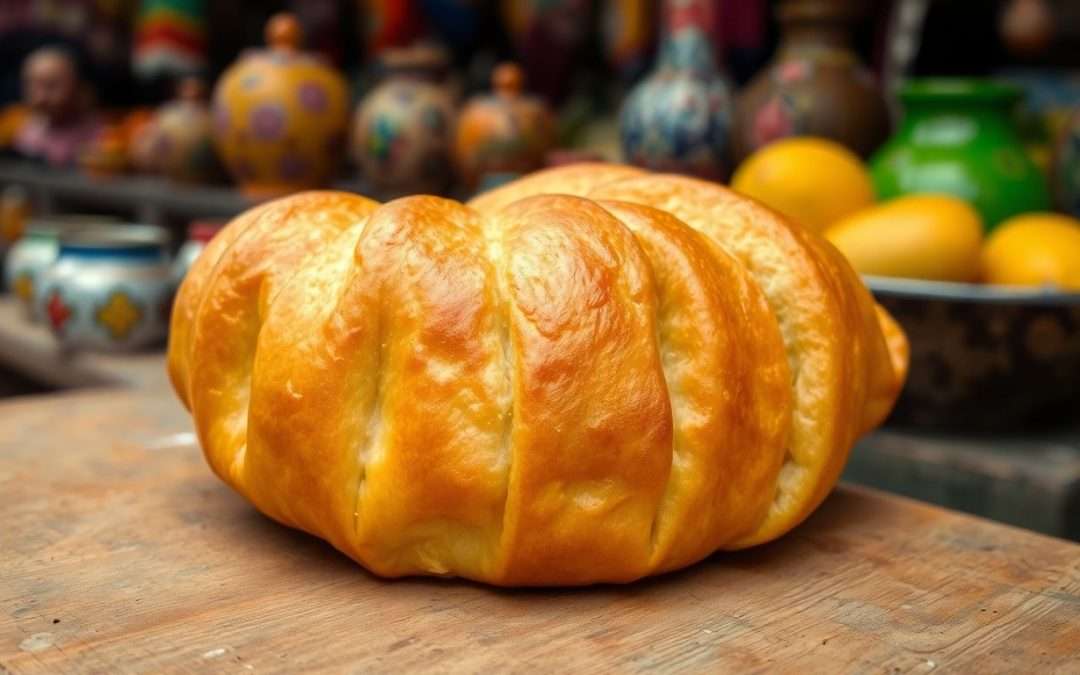
The humble Cornish pasty, a staple for miners in southwest England, has embarked on a remarkable global journey, weaving itself into the culinary fabric of distant lands. From the gold rush towns of California to the mountainous regions of Mexico, this portable pie has not only sustained workers but also fostered cross-cultural connections, evolving with local tastes while retaining its historical essence.
A Miner’s Meal Travels the World
The story of the Cornish pasty is intrinsically linked to the migration of Cornish miners during the 19th and 20th centuries. As tin mines in Cornwall waned, these skilled laborers sought opportunities worldwide, carrying with them their culinary traditions. In California’s gold rush towns like Grass Valley, pasties became an essential food, deeply embedded in the community’s identity and celebrated annually.
- Cornish miners brought pasties to various mining regions globally.
- The pasty’s design, with a thick crimped crust, was practical for miners to hold with dirty hands.
- In Grass Valley, California, pasties are a symbol of heritage, celebrated on St. Piran’s Day.
The Pasty’s Mexican Transformation
Perhaps the most striking adaptation of the pasty is found in Real del Monte, a mining town in central Mexico. Introduced by Cornish miners in the 1820s, the local version, known as a "paste," has embraced Mexican flavors. While traditional fillings like beef and potato remain, popular variations now include spicy mole sauce, black beans, or even sweet combinations with fruit and cheese. The town even hosts an annual International Paste Festival, celebrating this unique culinary fusion.
Pasty’s Enduring Legacy
Beyond Mexico and California, the pasty’s influence can be seen in places like Vienna, Virginia, where an ex-pat opened a shop to bring authentic Cornish pasties to the American palate. The pasty’s journey highlights how food can transcend borders, adapting to new environments while serving as a delicious reminder of historical connections and cultural exchange. Whether in its traditional form or a locally inspired variation, the pasty continues to be a beloved and significant culinary artifact.
Sources
- How Cornish Pasties Got to California, Comstock’s magazine.
- How the Cornish pasty came to prosper in Virginia, BBC.
- What’s the link between Cornish pasties and the Mexican mining town of Real del Monte?, Euronews.com.
- How the Cornish pasty became a Mexican delicacy, The Economist.
- Mexican town celebrates ‘paste’, a snack derived from Cornish pasty English miners brought, South China Morning Post.